
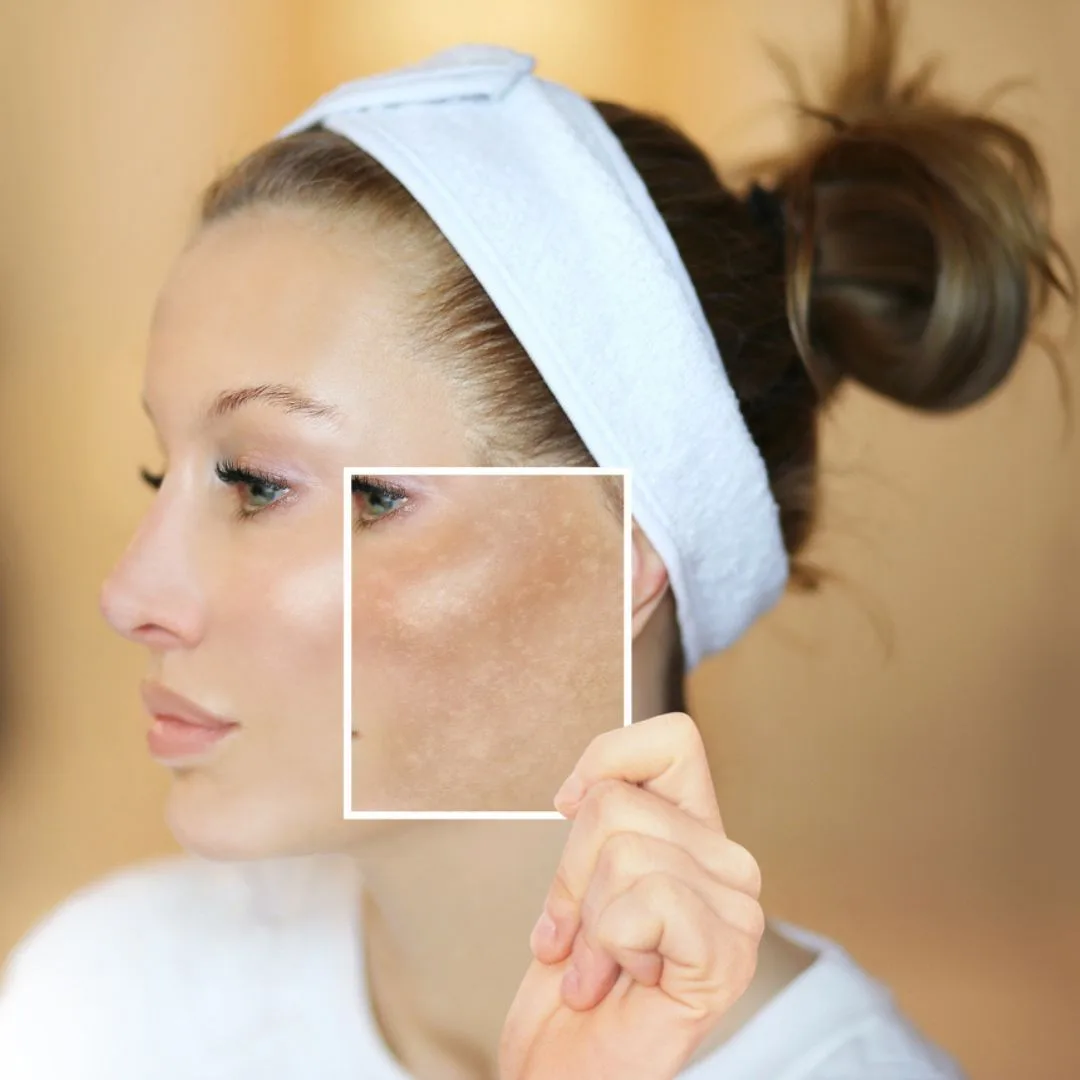
Formulation Guidelines for Treating Hyperpigmentation
Discover advanced formulation guidelines for treating hyperpigmentation using clinically relevant actives, melanogenesis inhibitors, chemical exfoliants, barrier-repair agents, and broad-spectrum photoprotection. Dr. Vrusha discusses evidence-based skincare formulations targeting melasma, Post-Inflammatory Hyperpigmentation (PIH), dyschromia, uneven skin tone, and epidermal pigmentation while supporting optimal skin barrier integrity and cellular turnover.
Advanced Skincare Formulation Strategies for Hyperpigmentation Management
Treating hyperpigmentation with topical skincare products requires carefully designed skincare formulations that focus on reducing melanin production, limiting pigment transfer, and improving overall skin tone.
At the same time, maintaining the skin barrier is equally important. Strong actives and over-exfoliation can sometimes irritate the skin and may even trigger Post-Inflammatory Hyperpigmentation (PIH). This is why formulations should always balance efficacy with skin barrier support.
Below are formulation guidelines across different skincare categories for managing hyperpigmentation effectively.
1. Cleansers
Hyperpigmentation can affect different skin types, so the cleanser base should be chosen according to the skin’s individual needs.
For Normal to Dry Skin
Cream-based and hydrating cleansers, including lotion or milk cleansers, are ideal for helping protect the skin’s lipid barrier while cleansing gently.
For Oily & Acne-Prone Skin
Gentle foaming cleansers or gel cleansers are generally preferred as they help remove excess oil without causing excessive dryness.
Recommended Additions
Although cleansers stay on the skin for a shorter duration, incorporating mild exfoliating or soothing ingredients can still provide gradual brightening support.
Some commonly used additions include:
- 1–2% Lactic Acid
- Mandelic Acid
- Licorice Root Extract
These ingredients help support mild daily exfoliation while keeping the skin balanced and comfortable.
2. Toners & Exfoliants – Removing Existing Pigment
To reduce pigmentation already present within the epidermis, promoting healthy cell turnover becomes essential.
Commonly Used Exfoliating Ingredients
- Alpha Hydroxy Acids (AHAs) such as Glycolic Acid and Lactic Acid
- Polyhydroxy Acids (PHAs)
- Beta Hydroxy Acids (BHAs)
- Retinoids
These ingredients help improve skin texture, support exfoliation, and gradually reduce dark spots and visible discoloration over time.
3. Serums & Active Treatments for Hyperpigmentation
Serums and active treatments play a major role in managing pigmentation by targeting melanin production directly.
Tyrosinase Inhibitors (Blocking Melanin Synthesis)
Kojic Acid (1–4%)
Known for its strong brightening properties, although formulation stability can sometimes be challenging.
Alpha Arbutin (1–2%)
A stable and safer derivative of hydroquinone that performs well in water-based formulations with a pH range of 3.5–6.5.
Vitamin C (L-Ascorbic Acid 10–20%)
Acts as a powerful antioxidant while also helping reduce melanin formation.
Azelaic Acid (10–15%)
Particularly beneficial for Post-Inflammatory Hyperpigmentation (PIH) and melasma-prone skin.
Melanosome Transfer Inhibitor
Niacinamide (4–5%)
Helps reduce the transfer of melanin from melanocytes to keratinocytes, contributing to a more even-looking skin tone.
Plasmin Inhibitors
Tranexamic Acid (2–5%)
Especially useful in formulations targeting melasma and UV-induced hyperpigmentation.
4. Moisturizers & Barrier Repair
Pigmentation-focused treatments can sometimes compromise the skin barrier, making moisturizers an essential part of the routine.
Important Barrier-Supporting Ingredients
- Ceramides
- Cholesterol
- Fatty Acids
- Squalane
- Hyaluronic Acid
Soothing & Repair Ingredients
Ingredients commonly used to calm and support the skin include:
- Centella Asiatica (Cica)
- Allantoin
- Panthenol (Vitamin B5)
- Bisabolol
These ingredients help minimize dryness, sensitivity, and irritation often associated with exfoliating acids and retinoids.
5. Sun Protection – The Most Important Step
UV exposure remains one of the biggest triggers for melanin production. Without proper sun protection, managing hyperpigmentation becomes significantly more difficult.
Broad-Spectrum Sunscreen
- Minimum recommended SPF: SPF 30
- Preferred protection: SPF 50+
Importance of Iron Oxides
For melasma-prone skin, tinted sunscreens containing Iron Oxides can offer additional protection against visible light, particularly blue light, which may worsen pigmentation concerns.
Conclusion
Successful hyperpigmentation formulations require a balanced approach that combines pigment control, gentle exfoliation, barrier repair, and consistent sun protection. Consistent use of targeted active ingredients can also help improve uneven skin tone and overall skin clarity.

- +91 81598 14111
- +91 82372 73002
- +91 95036 59833
- info@aesthetictrainingindia.com
- A-105, First Floor, Sai Yash Jewel, Thergaon, Pimpri-Chinchwad, Pune – 411033, Maharashtra
- Kharupetia Hospital Road, Jangalpara, Niz Kharupetia, Assam 784115